9 things about Sri Lankan culture
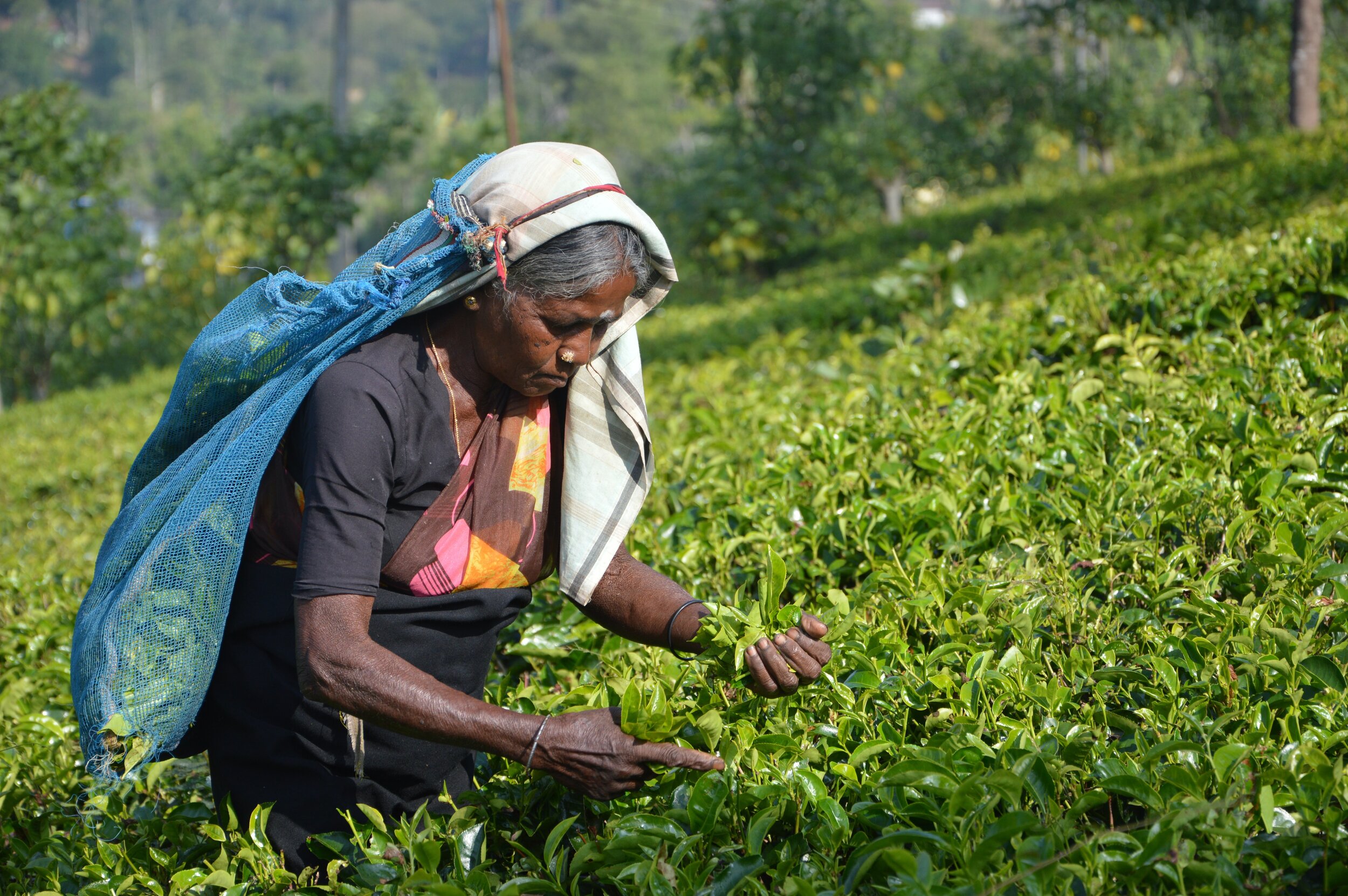
A land of ancient cities, colourful festivals, dazzling beaches, rolling tea plantations, eccentric temples, elephants and hoppers, Sri Lanka is many things at once. Brimming with character and history, this charming island is much more than meets the eye.
Our staggering history in a nutshell
After Buddhism was introduced in the 3rd century BCE, the island was divided into several kingdoms over the following centuries. From the 16th century, we were colonized by three different countries until political independence from British rule in 1948. The Portuguese were the first to rule a substantial part of the island until the Dutch came along and waged war for 80 years. Following this, the island was united under British rule in 1815 and finally gained independence in 1948, but remained a dominion of the British Empire until 1972. Being colonized by three different cultures, our island is still influenced by the customs, language and culinary influences left behind by the Portuguese, Dutch and British. We believe this makes our culture diverse in the true senes of the word.
A civil war that lasted for almost 30 years
It would seem obvious that talking about the civil war is still a very sensitive subject for all of us Sri Lankans. It all began when a group of armed youths of minority Tamil ethnicity called themselves the Liberation Tigers of Tamil Eelam (LTTE) and waged an armed insurgency to topple the Sri Lankan government demanding independence for North and East from the rest of the country. A war that terrorised our island from 1983 to 2009, resulted in taking many lives and crippling economic growth and educational system. However, since the end of the war, things have drastically changed. Sri Lanka is now booming with travellers from all around the world and once inaccessible places are now being visited by many locals and foreigners alike.
We share different religions and languages
For such a small island, we are diverse in our religions and languages. A 70% majority are Buddhists, and the rest are made up of Hindus, Christians and Muslims. Travelling in Sri Lanka, you might find some parts of the island signified by either Buddhist temples, Hindu Kovils, Mosques or Churches but all ethnicities live quite peacefully and are respectful towards one another. We also have 3 different languages but Sinhalese is considered the main language, followed by Tamil. English is used as a third language and almost everyone on the island knows a bit of it, making it a little easy to communicate wherever you are.
What our kitchens are made of
Rice and Curry is what gets us going! Nothing beats a warm plate of rice (red or white) served with a selection of delightfully assembled curries which comprise of vegetables, seafood or meat. Sri Lankan cuisine was moulded by the spice trade and has similarities with Indian cooking. However, the flavours are distinct to that of India, since most of our dishes are made with coconut milk and oil (a key ingredient) instead of dairy-based products like ghee, milk or yoghurt.
Another speciality in traditional cuisine is that same food has a distinct flavour depending on different regions. For instance, dishes from the North has a touch of South Indian flavours while dishes from the south tend to be more rich and spicy.
We are artistic and festive
Our unique and humble lifestyle is mostly inspired by folk art. Being skilled in the trades of handloom weaving, pottery, painting, carving, puppetry and traditional dancing, our creative arts are an inherent part of Sri Lanka’s ancient cultural heritage. Another one of our signature traits is the festivals. The most famous festival in Sri Lanka is the vibrant Kandy Perahera. For a duration of one week, people (especially Kandyans) love to celebrate this tradition with devotion.
A great deal of public holidays
Guilty as charged, Sri Lankans do love their holidays! Sharing an island with 4 religions who are devoted to celebrating festivals and religious events results in one too many public holidays a month. It might be unheard of anywhere else in the world but full moon day of each month is a public holiday known as “Poya Day” dedicated to celebrating an event related to Buddhism or Lord Buddha. It’s a day where all practising Buddhists in Sri Lanka go to the temple dressed in white to reflect on five precepts of Buddhism and meditate. A very religious day such as Poya has restraints on consuming or buying alcohol with all alcohol shops in the country closed and no restaurants or bars allowed to serve alcohol in public spaces.
Modesty in dressing
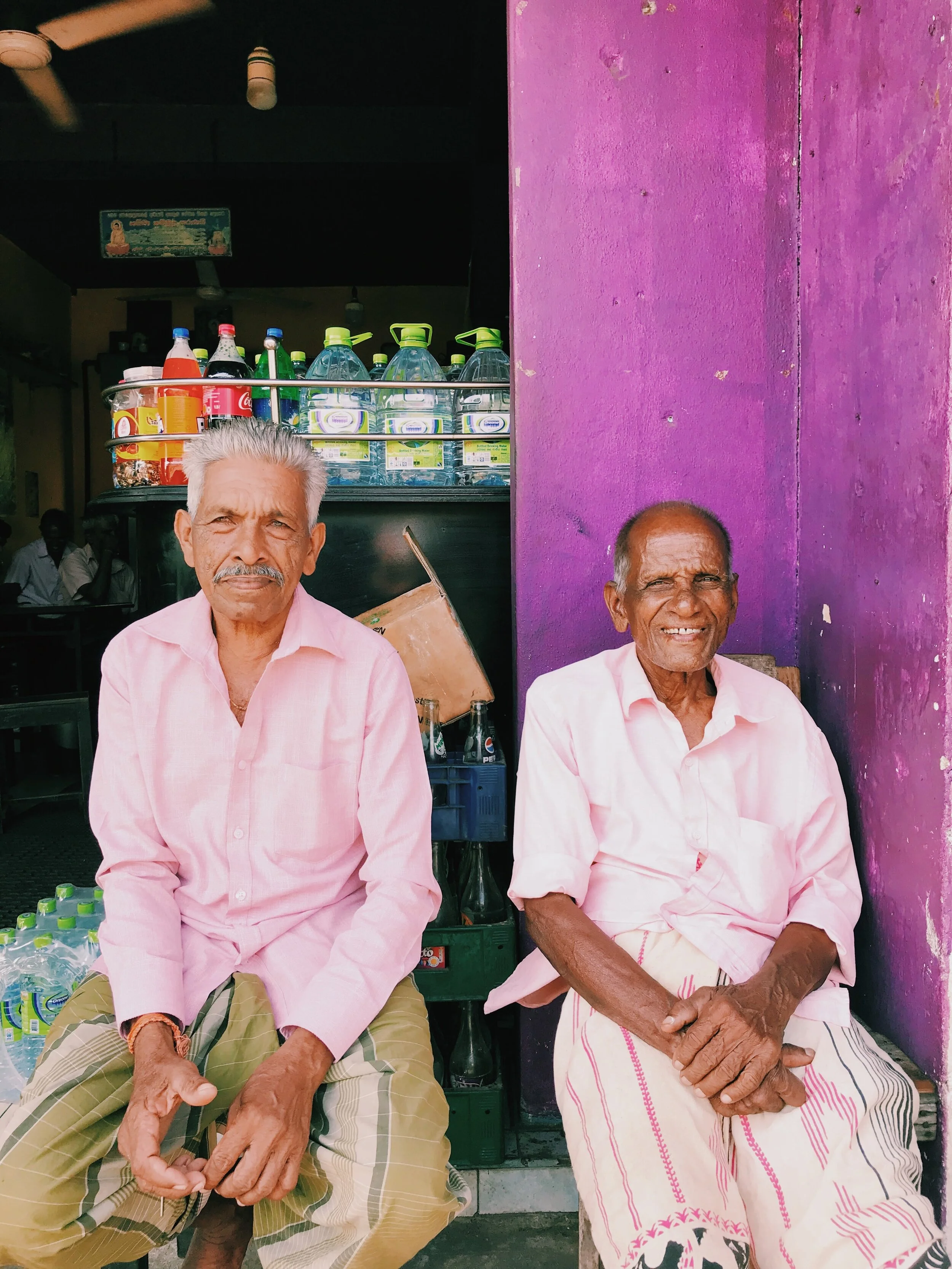
Whilst most locals won’t judge foreigners too harshly for their choice of clothing, dressing in a culturally sensitive manner is always appreciated. Away from Colombo, local women tend to dress quite modestly with nothing too short/tight/revealing. Traditional attire is commonly seen all around the country with women in bright coloured sarees and men in sarongs and shirts. We recommend common sense when travelling around the country. The more remote and rural areas are likely to be more conservative so covering up is appreciated. No matter where in the island you are, leaving beach wear strictly to the beach and pool is always best practice. When travelling to historical/cultural sites, wearing long-sleeved tops and long skirts (preferably in white), is a way of showing respect.
The changing face of the country
Our island is ever-evolving. Since recent times, many Sri Lankans who were able to escape the civil war have returned to their homeland with children who are now at a prime stage for starting up local businesses, and it’s working. Commercially and touristically popular areas in Sri Lanka (Colombo, Galle, South Coast) are in high demand by both Sri Lankan diaspora and Westerners for setting up businesses, especially promoting and benefitting from the tourism trade. Many restaurants and hotels have been built and are still in construction, and the country’s infrastructure has only grown and continuously developing as a result.
Our well-known commodities
We might be biased but we will say it anyway- Sri Lanka has the world’s finest tea, spices and gems. Since colonial times, Ceylon tea production was the crown jewel of the British empire, and to date, worth 2% of Sri Lanka’s GDP. There’s rich history behind our tale of tea but best save that for another time.
Much like our tea, the gem and spice trades have also earned their value in the world. Until 1972, Sri Lanka was well known for its large quantity and exquisite variety of gemstones, earning the title “Rathna deepa” which in Sanskrit translates to “The Island of Jewells”. Our impressive variety of gem stones, many of them outstanding in comparison with stones from other regions, comprise of Golden Yellow, Blue, Pink and orange sapphires, Rubies, Pinkish yellow (Padparadscha) Chrysoberyl cat's eyes, Zircons, Tourmalines, Star sapphires, Garnets and Spinels.
Last but not least – our spices! Sri Lanka or Ceylon has a few well-earned titles and “The Spice Island” is one of them. Surely, not all spices are native to the island but the use of it in the local cuisine is so impressive that little thought is given to the origins of most spices found on the island.