The Ceylon Calendar
Blessed with diversity of all manners - culture, religion, history, scenery and climate - Sri Lanka offers much variety for those willing to scratch beneath the surface. Whether you have a week, a month or a year to spend here, the island offers unique experiences any time of the year and a chance to immerse yourself in the true essence of the people, lifestyle, culture and customs.
For a tiny island Sri Lanka also has rather variable weather conditions from place to place so it’s worth considering what each month has in store weather-wise when planning your visit. The good news is that the sun is always shining somewhere on the island all year around so with a bit of planning it’s possible to work out the best time for you to visit, depending on where you want to go and what you want to see and do while there.
January
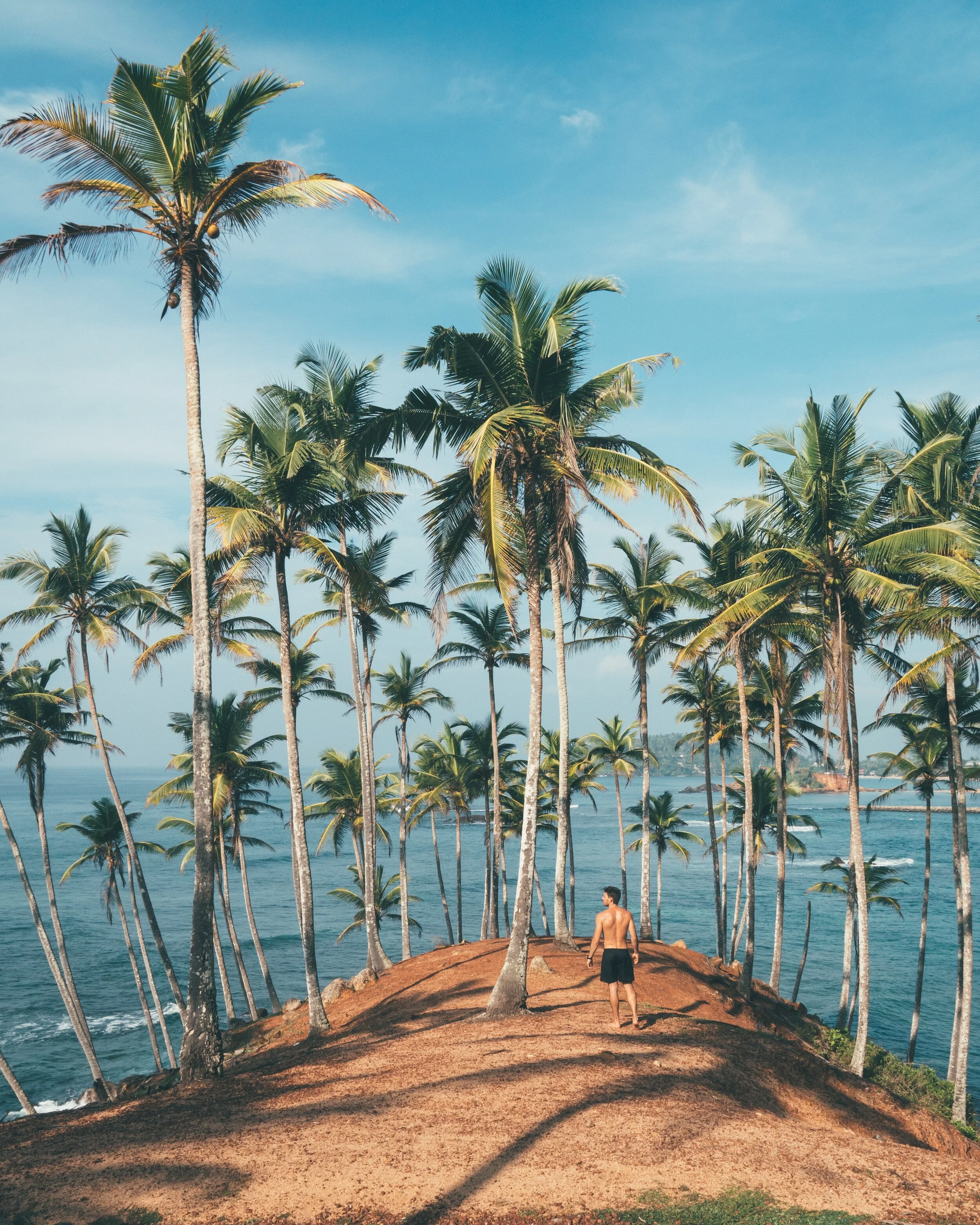
January is full of sunshine along the southern and western coasts although a little rainfall is expected further to the north and east. The sea on the west and south coast is calm and provide ideal swimming conditions.
This is also a month where you will see local men and women reaping paddy in the fields and buffaloes threshing the harvest to "kavi" sung by farmers. A unique sight indeed!
For the bird watchers, January is the best time to spend at Yala National park to witness the abundant migrant birds. The park is at its greenest and the water holes are full where you will see large herds of wild elephant gathering.
For a bit of culture, we have Duruthu Perahera (second only to the world-famous Kandy Perahera), held at the Kelaniya Temple, about an hour away from Colombo. The Hindu harvest festival of Thai Pongal in honour of the Sun God is held on the 14th of the month.
February
Good weather continues across Sri Lanka in February with typically less rainfall expected than in previous months but maybe a little warmer than in January. Wildlife is still abundant at national parks and if you visit Wilpattu, the nights are usually mild - an extra layer might come handy.
The Hindu festival Maha Sivarathri is celebrated in February or early March commemorating the winning of Lord Siva. Sri Lanka national holiday known as Independence Day is celebrated annually on 4th February to commemorate the country’s political independence from British rule in 1948.
March
The days and nights are warmer. Little to no rain will be experienced and perhaps turns out to be uncomfortably warm by the end of the month. The sea, however, is calm right around the island so it's best for swimming, diving, boating and other water-related activities.
March is the month where school cricket season is in full swing.
By the end of it starts the blooming of fruit trees, many tropical fruits beloved by both man and beast.
April
Although April is considered to be the warmest month of the year, it is also among the best months for travel in Sri Lanka. It can be uncomfortably warm in certain parts, temperature going up to 100°F in places like Trincomalee and Anuradhapura.
April is one of the most anticipated holidays in Sri Lanka as it celebrates several festivals like Sinhala and Tamil New Year and Easter. Laughter, joy and love in the air as people get ready for festivities with traditions and customs that have been in practice for generations.
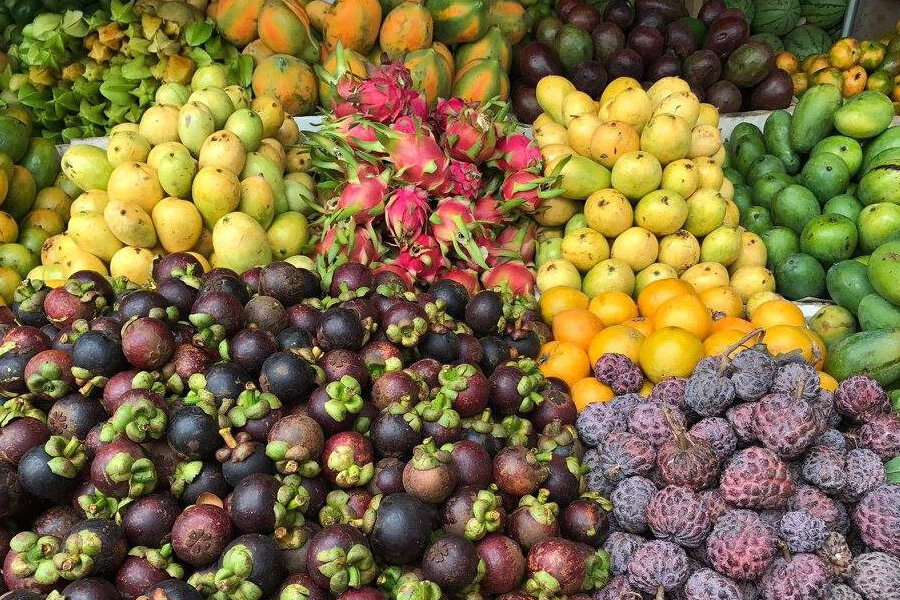
April bears the fruits and flowers of the season. The whole island is ablaze with bright and flamboyant flowers and tropical fruits such as mango, pineapple, orange, jambu, jack fruit, rambutan, mangosteen and durian.
May
It is usually a wet month and swimming in the south and west coasts during this period is often not recommended. Beach hotels and villas will have their red flags out to indicate that sea bathing at this time can be dangerous. That said, on the other side of the mountains, the news is quite contrary.
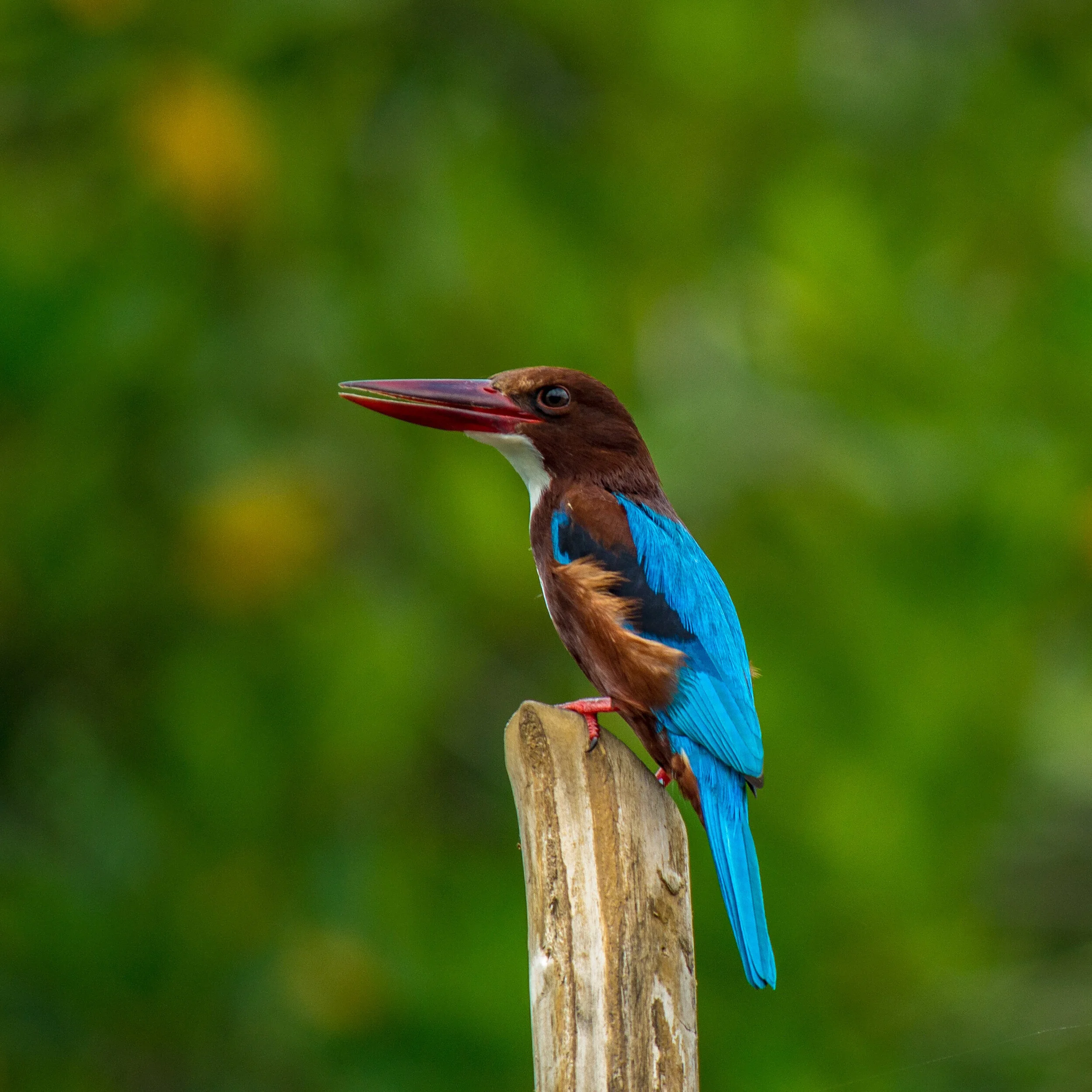
The weather is brightening up on the east coast and the calm seas are ideal for swimming and water sports. Apart from the lovely beaches in the east, May and June are also known to be best for bird-watching at the bird sanctuary at Kumana. As these are the nesting months, migratory birds maybe seen in thousands on lagoons in Hambantota, Bundala and Jaffna.
The marine activity in the east coast comes to life as the whale watching season begins in May and continues till October in Trincomalee. Watch the blue giants in their natural habitat as well as sperm whales when they make regular visits in the eastern seas during this period.
May also marks the beginning of the kite surfing season in Kalpitiya, and by far it is the biggest and most established hotspot for kite surfers in Sri Lanka.
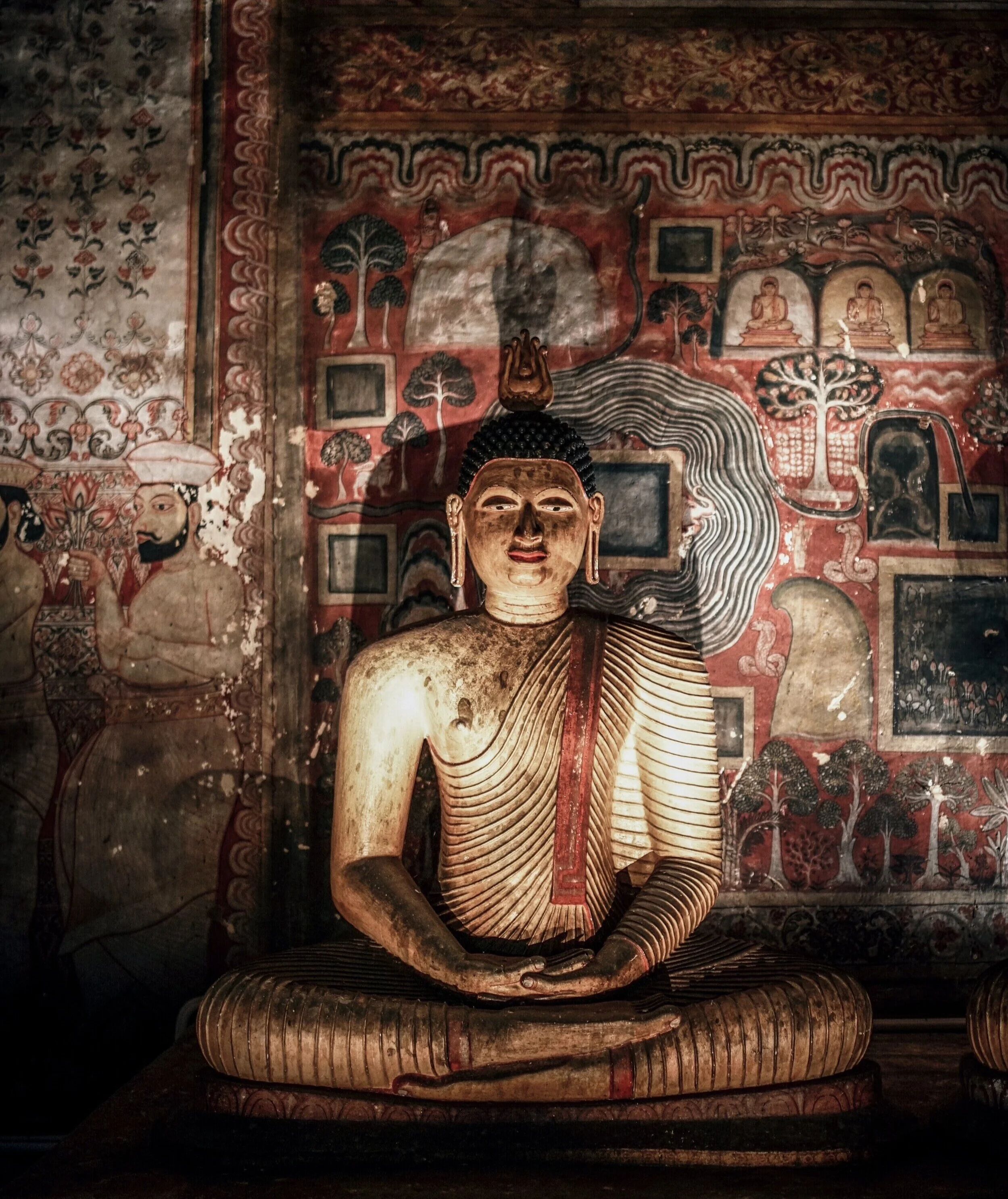
For many Sri Lankans, May is also of religious importance. Sri Lankan Buddhists celebrate “Vesak” on full moon “poya” day to honour the birth, enlightenment and death of Buddha. Among the many striking decorations are the myriad paper lanterns of different shapes and sizes. If you happen to travel during the month of May, take a little time to explore the streets and the occasional “dansal” to enjoy Vesak festivities.
June
Another wet month in the southern and western parts of the island and the sea remains rough along the coastlines while the calm seas at east coast continue to look bright and sunny.
On the full moon “Poya” day in June, we celebrate the festival of Poson to commemorate the arrival of Mahinda, son of Emperor Asoka of India to Sri Lanka with the message of the Lord Buddha. The grand celebrations usually take place at Mihinthale in Anuradhapura where thousands of devoted pilgrims clad in white observe “ata sil” – the eight noble precepts.
July
South, west and central parts of Sri Lanka are seeing a slight improvement in weather conditions as the summer monsoon starts to ease off.
July and August are also very festive months for all Sri Lankans. The famous Kandy Perahera and the Vel festival in Colombo are held either late in this month or in August, depending on the Esala full moon.
Another event that turns heads is the "Pada Yatra" - foot pilgrimage that takes place from Jaffna in the very north of the island to Kataragama in the very south. This is one of the very few ancient living traditions that has managed to survive and takes place in Sri Lanka. Typically, the journey starts in June and ends in July where an estimated 30,000 devotees take part in the final days of the pilgrimage.
August
With a bit of luck, good weather is expected in the north-east coast, south and west coasts. Although swimming in the sea is still not recommended for the latter mentioned coastal areas, it is generally a month with good weather for outdoor activities.
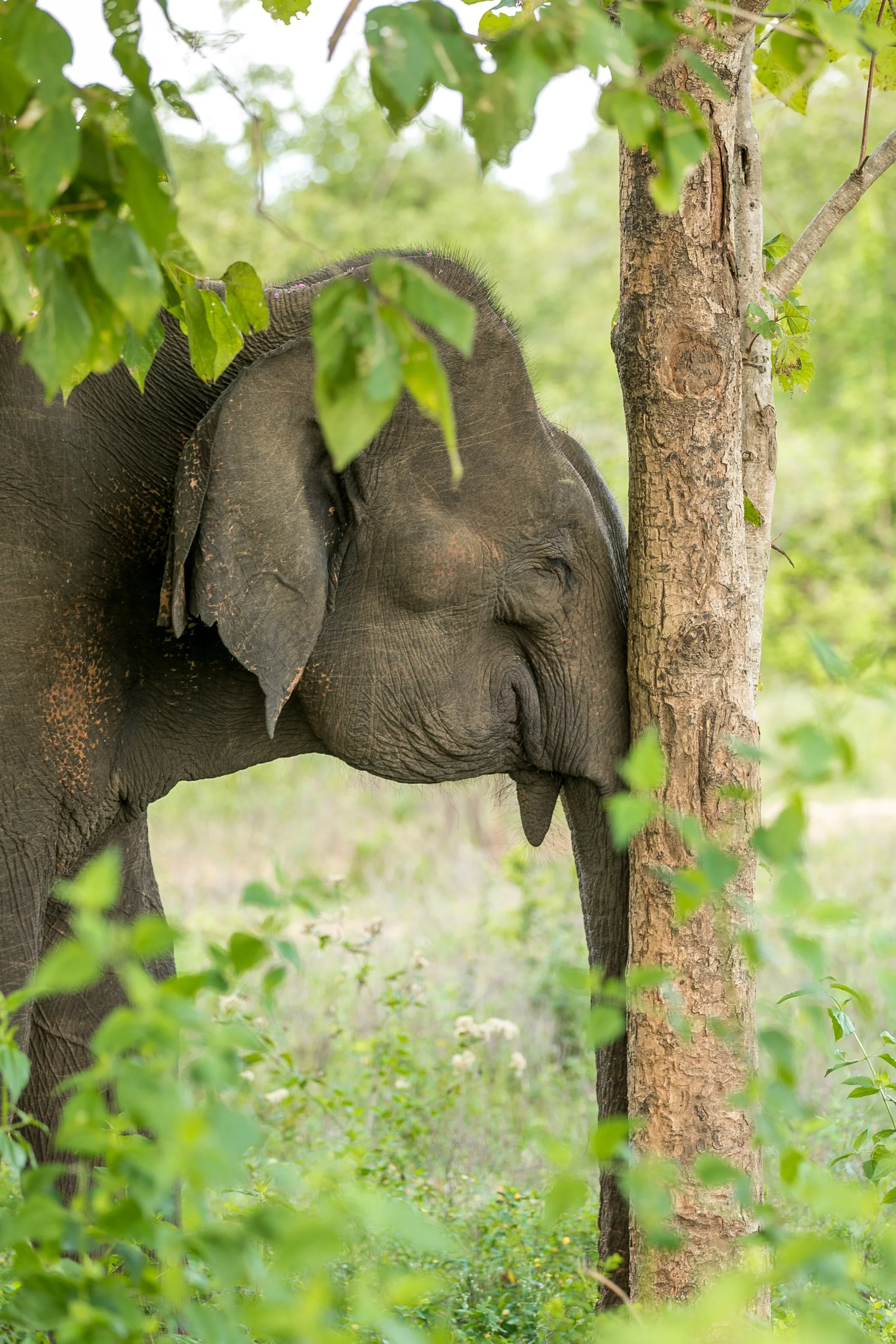
Wildlife and birdlife at this time of the year are abundant. The most notable is "The Gathering" at Minneriya National Park that peaks from August to September. 200 or more elephants are gathered for several weeks in one concentrated spot to bathe, mate, socialize and most importantly feed at the shores of an ancient reservoir.
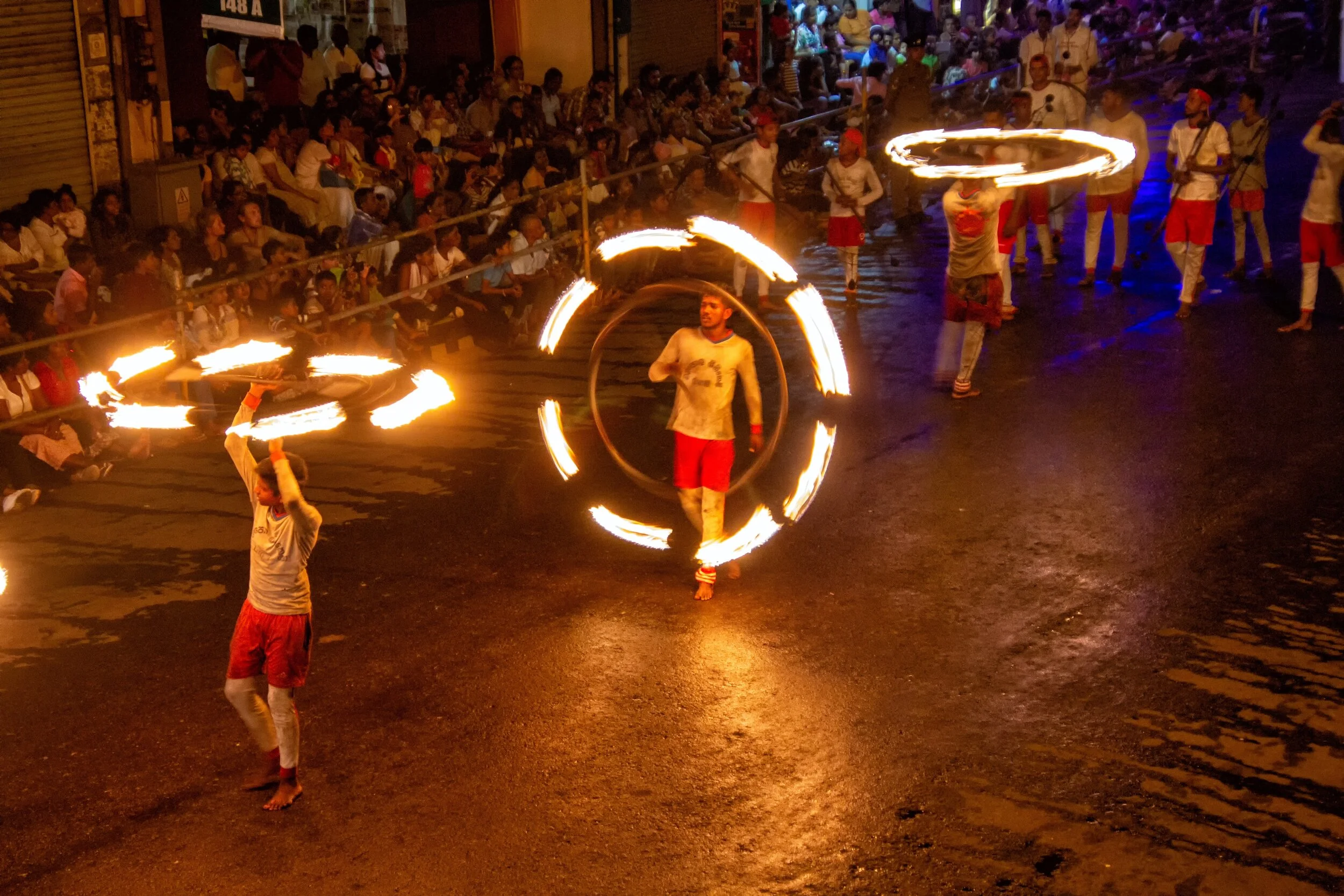
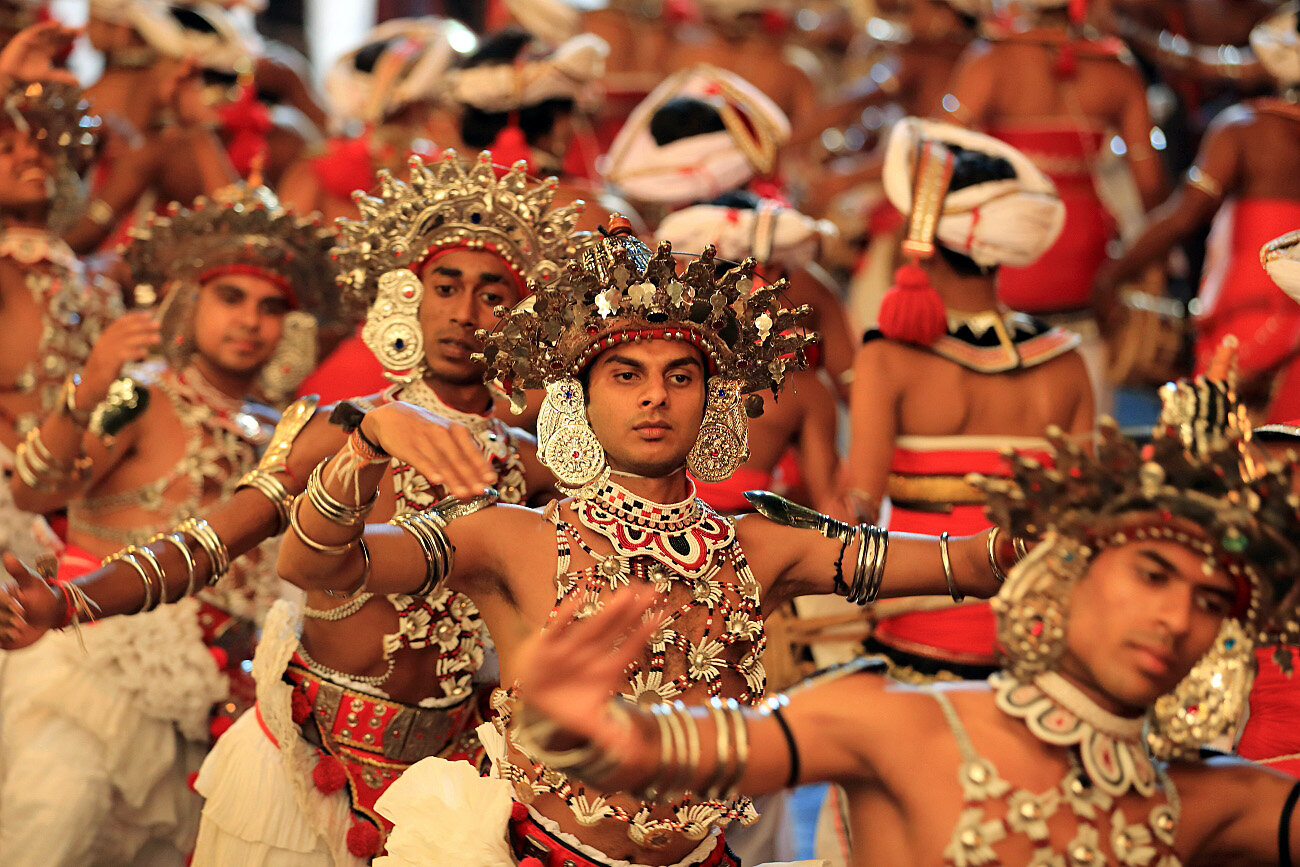
Another iconic event that takes place in August is the Esala Perahera in Kandy, celebrated to honour the Sacred Tooth Relic and the four guardians, Gods Natha, Vishnu, Kataragama and Goddess Pattini. It is by far one of the most spectacular religious ceremonies in Asia. The Perahera is a striking parade of brilliantly coloured and jewelled elephants, dancers, drummers, torch-bearers, whip-crackers and Kandyan chieftains in traditional regalia. An experience, not to be missed if you're travelling during August!
September
Travelling in September can be a little tricky because it's a mixed bag in terms of weather. A fairly dry month although it tends to get hot and humid with a high chance of rainfall. Although the confused weather patterns can be a little misleading, swimming in the south and west coasts are still a no go because of the rough seas. The east coast, on the other hand, is still looking bright and lively. Under these unpredictable rural weather conditions, Yala National Park typically closes for the whole month to allow animals to roam freely in search of water.
October
October is the month where the term "raining cats and dogs" comes to life. With rainfall remaining high on Sri Lanka's southern and western coasts, with lower temperatures (by no means chilly!), swimming in the sea is still not recommended. Cyclones could also take place across the country making October one of the wettest months of the year in Sri Lanka.
November
A transitional month as the weather makes a swift turn in the southern and western parts of the island, exposing plenty of sunshine. The sea is calm on the south and west coasts, but rough on the north and east coasts as if taking turns.
On to more festive events, October is where Deepavali/Diwali is celebrated by Hindus and Id-ul-Fitr celebrated by the Muslims. Deepavali or Diwali is a festival of lights, celebrating the triumph of good over evil and welcomes Lakshmi, goddess of wealth and the return of Rama (the legendary character of the Hindu epic Ramayana, believed to be an incarnation of Vishnu) after his period of exile.
Late November is when the excitement for whale watching begins as the season continues till mid-April in the south coast. Whale watching boats operate from Mirissa for a chance to see up to ten different species of whales including the humpback, fin, Bryde’s, sperm and of course a plethora of dolphins grazing through the waves. The marine monarch, the blue whale is most likely to be spotted between February and mid-March as they migrate around the world’s oceans.
November is also famed for dolphin watching in the north-west coast, Kalpitiya, and it could turn out to be once in a lifetime opportunity to watch hundreds of dolphins playfully spinning and frolicking along the Kalpitiya coastal belt. The season continues till April when the seas are calmer and pods gather to feed and sing songs. Their high-pitched communication can be heard even from the shores if you pay close attention.
December
The weather is at its full glory along western and southern coasts as the rainfall continues to decline and become nothing more than a distant memory. Another month of celebrations and this is also the best time of the year to enjoy some quality beach time if you are looking for a Christmas holiday in Sri Lanka. December is also the month in which the pilgrims mostly clad in white, start trekking to Sri Pada (Adam's Peak). The season lasts till April.
Important to know:
Each month the full moon is marked with “Poya Day” when practising Buddhists visit the temple to make offerings and observe “sil”. Poya is an also a dry day so no restaurant/hotel/bar will serve alcohol and all liquor shops around the country also shut shop.