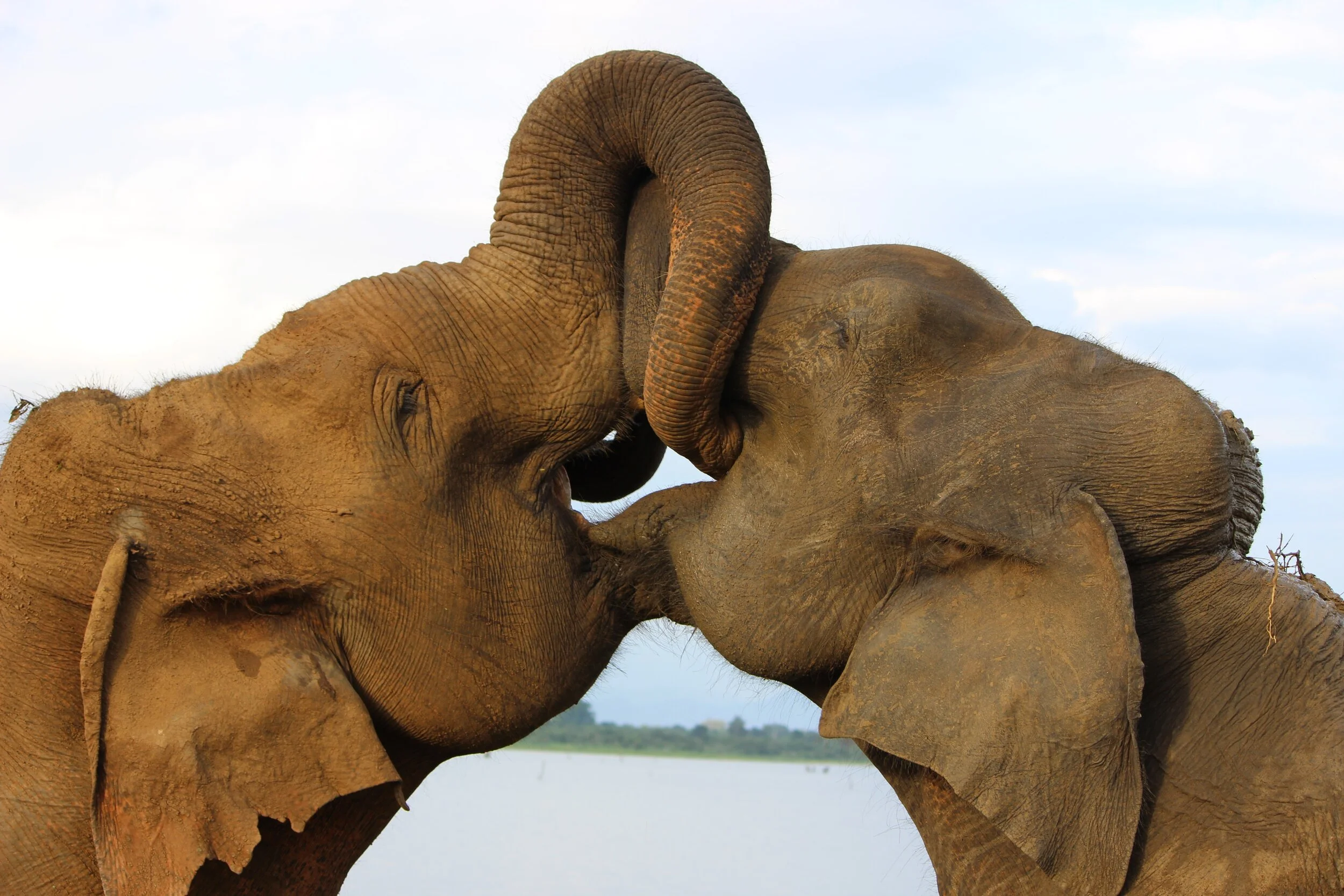
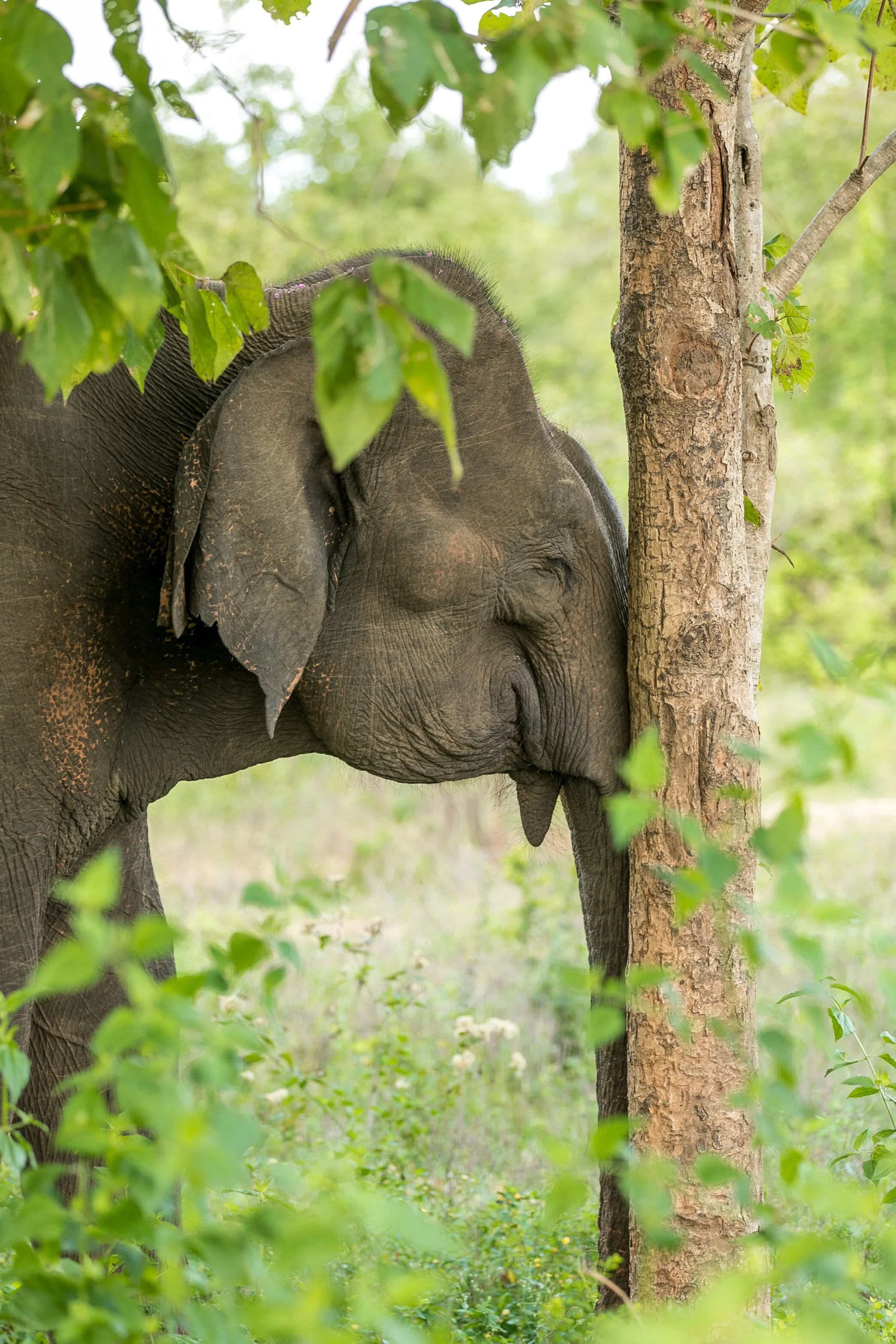
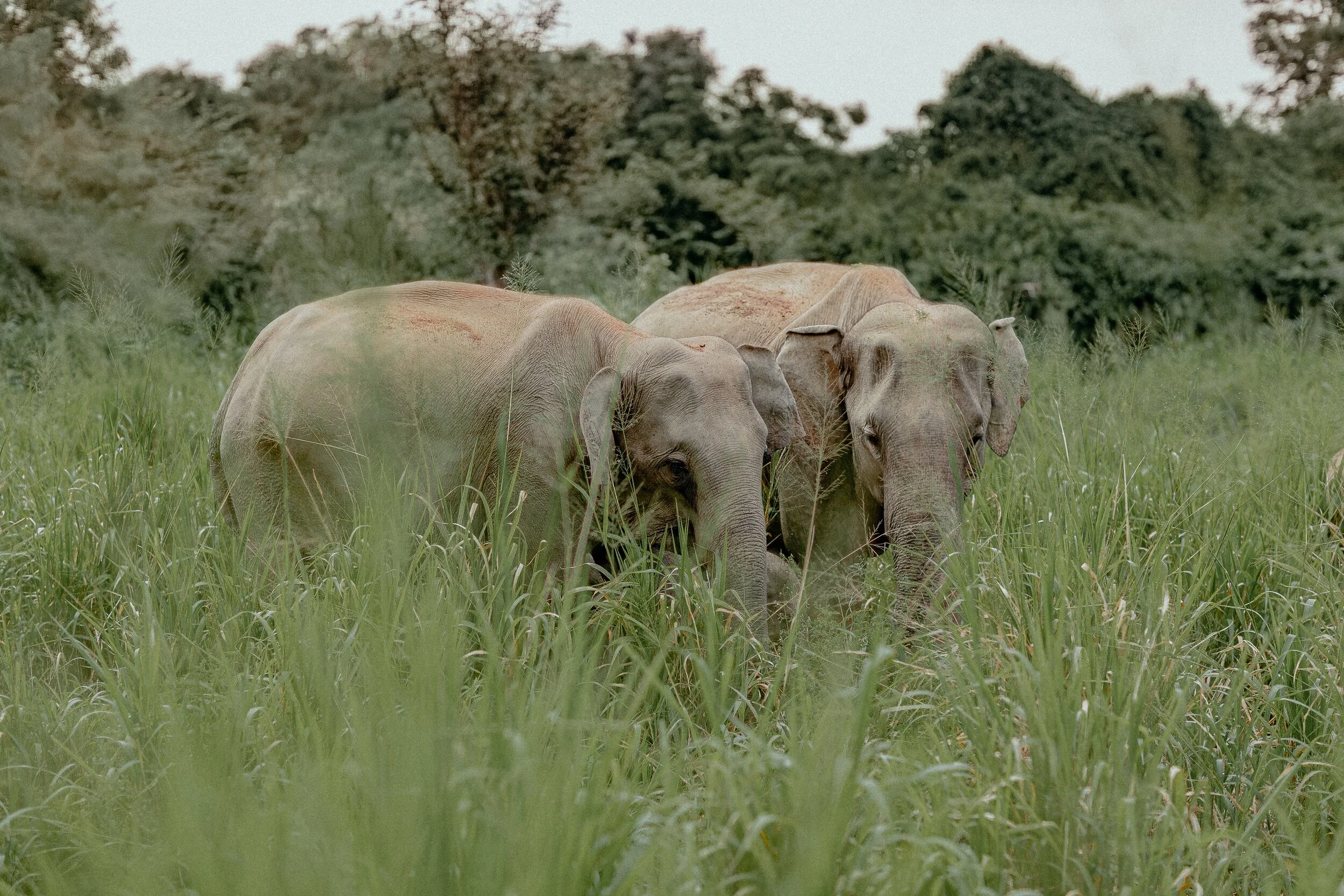
Elephants are known to be gregarious, usually moving is small, well-knit family groups. This could consist of two or three families sometimes formed into a herd at feeding grounds or watering places. A family group like this rarely exceeds more than 15 and within it are fathers, mothers, aunts, brother and sisters. The most intriguing fact of all is they all depend on an elderly female for purposes of discipline, movement to food and water and such activities. A strong bull is usually set aside to look after the general safety of the family and protecting them from unwelcomed guests and even ‘flirtatious youth’.
Best place to see elephants?
When you first start to do a little research on where to see elephants in Sri Lanka, one of the first things that will pop is elephant orphanages. We struggle to find ethical reasoning for these orphanages no matter how reputable and conservation-focused they might come across online. Some of these facilities claim to have elephants’ best interest at heart while in reality border-lining on animal cruelty. With these reasons in mind, the best way to appreciate the true stature of elephant is to watch a herd ‘in the wild’ where they are in their element and displaying qualities of social life.
Minneriya or Kaudulla National Parks, located 200km northeast of Colombo, are home to over 300 wild elephants. The best time to visit these parks fall between July to October and some might even say the experience in terms of seeing numbers, is greater than the experience at Tembe elephant park in South Africa and Etosha in Namibia.
Park visitor number do peaks in July and August because of “The Gathering”, where hundreds of elephants make their pilgrimage to Minneriya from Kaudulla. They have made this trip for centuries, coming from across the region to bathe, mate, socialize and most importantly feed at the shores of an ancient reservoir built by a king more than 1,700 years ago.